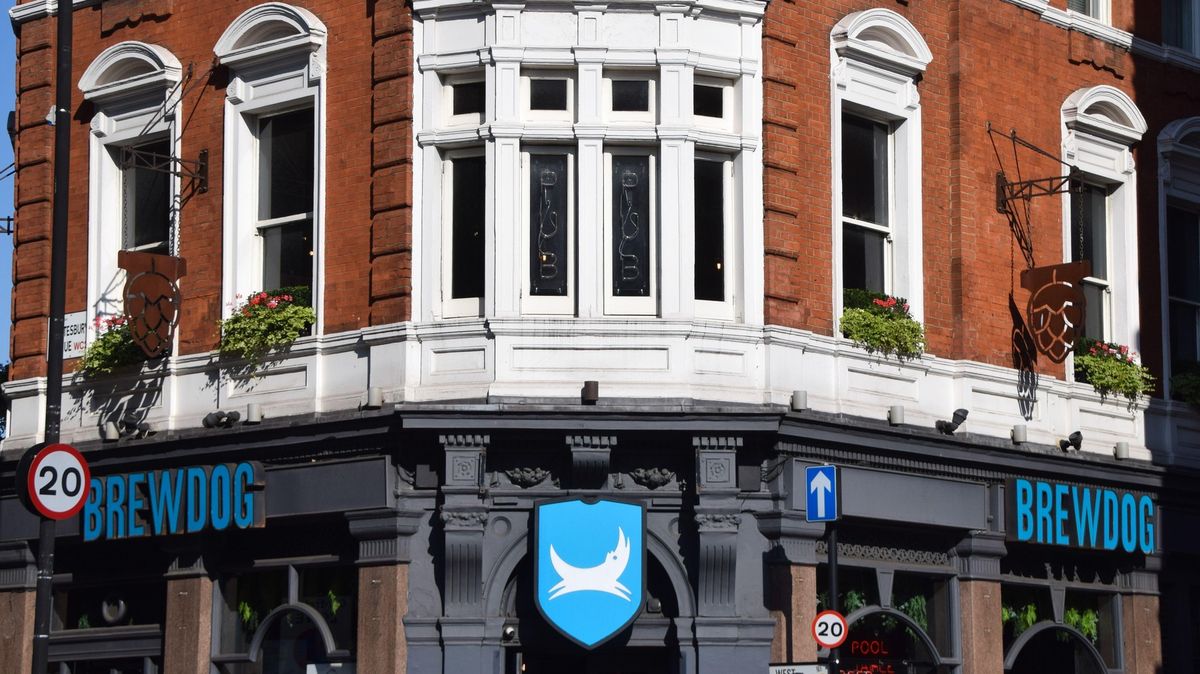
BrewDog's Shifting Tides: From Punk Success to CEO Transition
In the dynamic world of craft brewing, few names evoke as much discussion and distinction as BrewDog. From its humble, rebellious beginnings in a Scottish warehouse to its current status as a multinational brewing and pub chain, BrewDog has consistently challenged conventions. It has built a formidable brand, claiming to be the "#1 Craft Brewer in Europe" and boasting a global presence across 57 countries with over 129 bars. Yet, like many rapid growth stories, its journey has been marked by both incredible triumphs and significant hurdles, culminating most recently in the transition of its charismatic co-founder, James Watt, from the CEO role.
The Punk Rock Origins: Disrupting the Beer Industry
The story of BrewDog began in April 2007, when two 24-year-old friends, James Watt and Martin Dickie, armed with personal savings and bank loans, started brewing in a disused warehouse in Fraserburgh, Scotland. Their vision was clear: to shake up the staid UK beer industry with bold, high-alcohol IPAs like Punk IPA and Tokyo*, and an unapologetically anti-establishment ethos. Rejecting traditional advertising channels like billboards and newspaper placements, BrewDog instead cultivated a strategy of generating free media coverage through deliberately provocative campaigns, audacious publicity stunts, and a relentless focus on an "us against them" narrative.
This unconventional approach wasn't just about making noise; it was about building a community. In 2009, the company purchased its first bar in nearby Aberdeen, laying the groundwork for what would become a global network. This initial phase also saw the genesis of their revolutionary "Equity for Punks" crowdfunding model, which not only secured vital capital but also forged an impassioned investor base, turning customers into brand ambassadors. This disruptive marketing and funding strategy became a blueprint for others, fundamentally altering how craft breweries could grow and connect with their audience. To learn more about their unique advertising methods, dive into BrewDog's Provocative Rise: Craft Beer Empire Without Ads.
Rapid Expansion and Innovative Growth Strategies
BrewDog's growth trajectory was nothing short of meteoric. By 2011, the company was not only advocating for new beer measures in Britain but also successfully launched its first "Equity for Punks" round, raising £2 million by selling 8% of its capital and offering investors attractive benefits like bar discounts. This pioneering model, which would eventually raise approximately £75 million from over 200,000 investors by 2021, allowed BrewDog to bypass traditional financing and fuel its aggressive expansion. The company's main brewing operations moved from Fraserburgh to a new, state-of-the-art £7.8 million brewery near Ellon in 2012, designed to minimise carbon emissions through innovative treatment plants, Biogas technology, and an anaerobic digestion plant added in 2021. While the overall environmental impact of these measures continues to be a topic of industry discussion, it demonstrated a commitment to sustainability alongside growth.
Beyond Scotland, BrewDog established breweries in the United States, Germany, and Australia, cementing its multinational status. By the end of 2018, its global network, including franchises, encompassed 78 bars, peaking at over 100 locations before recent economic pressures led to some closures. Innovations continued, including the opening of the world's first craft beer hotel in 2018. Commercially, BrewDog achieved significant milestones, reporting revenues exceeding £350 million in recent years. This rapid scaling, largely thanks to its community-driven funding, highlights the power of connecting directly with consumers and empowering them as stakeholders in a brand's journey. For a deeper look at this groundbreaking funding model, explore Equity for Punks: BrewDog's Crowdfunding Revolution in Craft Beer.
Navigating Controversy and Culture Shifts
Despite its commercial successes and innovative spirit, BrewDog has not been immune to scrutiny. The very "punk" ethos that fuelled its rise sometimes translated into internal challenges. In 2021, the company faced significant allegations from over 60 former employees who published an open letter detailing a "culture of fear," bullying, and overwork. This public outcry brought intense focus on the company's internal practices and leadership style. While BrewDog rebutted the claims as unrepresentative, it did commission an independent review which identified procedural lapses, though it rejected claims of systemic toxicity. This period served as a critical reminder that a strong brand image must be supported by an equally strong internal culture.
For any rapidly expanding company, maintaining core values and fostering a positive work environment can be challenging. The BrewDog experience underscores the importance of transparent communication, robust HR practices, and actively soliciting and acting on employee feedback. Growing from a small startup to a global enterprise requires a shift in leadership and management styles, often necessitating a move from an entrepreneurial, hands-on approach to a more structured and empathetic one. Companies, especially those built on a rebellious image, must consciously evolve their internal culture to match their external growth, ensuring that staff feel valued and respected, not just driven.
A New Chapter: James Watt's Transition and Future Outlook
The latest significant development in the BrewDog narrative is the transition of co-founder James Watt from his CEO position in 2024. This leadership change comes amid ongoing operational challenges for the company, including reported £59 million losses for the year ended January 2024, largely attributed to underperforming bars and write-downs. While the company's aggressive expansion saw its global bar network peak, recent economic pressures have led to strategic closures, indicating a necessary period of consolidation and re-evaluation.
A CEO transition in a founder-led company is often a pivotal moment. For BrewDog, it signals a potential shift towards a new era of leadership, perhaps one focused more on operational efficiency, profitability, and refining its global strategy. The departure of a charismatic founder can present both challenges and opportunities. While it may mean a loss of the original entrepreneurial drive, it also opens the door for fresh perspectives and specialized management expertise needed for a mature, complex global business. The incoming leadership will face the task of navigating competitive markets, optimising existing operations, and perhaps redefining the brand's unique selling proposition while honouring its rebellious roots. The future of BrewDog will likely involve a renewed focus on its core strengths, disciplined growth, and an ongoing effort to balance its punk rock spirit with corporate responsibility.
Conclusion
BrewDog's journey from a Fraserburgh warehouse experiment to a multinational craft beer powerhouse is a compelling testament to vision, disruptive marketing, and the power of community-funded growth. It has left an indelible mark on the global craft beer industry, inspiring countless entrepreneurs and proving that an unconventional approach can yield extraordinary results. However, its story also serves as a potent reminder of the complexities inherent in rapid scaling, the importance of fostering a healthy internal culture, and the inevitable evolution of leadership. As BrewDog enters this new chapter under fresh leadership, the craft beer world watches keenly to see how this iconic brand will continue to brew its future, balancing its rebellious past with the demands of a dynamic and ever-evolving market.