Equity for Punks: BrewDog's Crowdfunding Revolution in Craft Beer
In the vibrant, often rebellious world of craft beer, few names resonate with as much disruptive energy as BrewDog. From its humble beginnings in a disused warehouse in Fraserburgh, Scotland, in 2007, BrewDog didn't just brew beer; it ignited a movement. Co-founders James Watt and Martin Dickie, two young friends driven by a shared passion for challenging the status quo, envisioned a different kind of brewery—one unburdened by tradition and fuelled by a genuine connection with its consumers. Their radical solution to funding growth wasn't through traditional bank loans or venture capitalists, but through an innovative, community-driven approach they famously dubbed "Equity for Punks." This pioneering equity crowdfunding model not only financed their ambitious expansion but also forged an impassioned army of brand advocates, fundamentally altering how businesses could connect with their audience and raise capital.
The Birth of a Punk Ethos: From Garage to Global Brand
The story of BrewDog begins with a distinct anti-establishment ethos. Frustrated by what they perceived as a bland and uninspiring mainstream beer market, Watt and Dickie started brewing small batches, initially financed by personal savings and modest bank loans. Their early products, like the high-alcohol content IPAs such as "Punk IPA" and "Tokyo*", were designed to shock and delight, signaling a clear departure from conventional brews. Right from the outset, BrewDog eschewed traditional advertising methods, choosing instead a strategy centered on generating free media coverage through deliberately provocative campaigns, controversies, and publicity stunts. This audacious approach helped them stand out in a crowded market and connect directly with consumers who shared their rebellious spirit. Their unconventional marketing, detailed further in BrewDog's Provocative Rise: Craft Beer Empire Without Ads, laid the groundwork for their disruptive funding model.
This early success and unique brand identity quickly built a cult following, but rapid growth demanded significant capital. Instead of conforming to traditional investment routes, which often come with strings attached and a dilution of original vision, BrewDog sought a different path: turning their customers into shareholders.
Equity for Punks: A Revolution in Funding
The "Equity for Punks" scheme was not merely a fundraising tool; it was a manifesto. Launched with its first initiatives in 2009, and a significant offering in 2011 that sought £2 million for an 8% stake in the company, BrewDog pioneered equity crowdfunding in the beverage sector. The shares, initially priced at £23.75, came with more than just a slice of ownership; they offered a host of benefits, including discounts in BrewDog bars and on online beer purchases, exclusive access to new products, and invitations to annual general meetings, affectionately known as "Punks AGM." These perks weren't just incentives; they were tangible expressions of belonging to the BrewDog community.
The impact was monumental. By 2021, BrewDog had successfully raised approximately £75 million from over 200,000 individual investors across multiple "Equity for Punks" rounds. This unprecedented success allowed the company to scale rapidly, moving its main brewing operations from Fraserburgh to a new, state-of-the-art £7.8 million brewery in Ellon in 2012. This expansion wasn't limited to Scotland; crowdfunding enabled BrewDog to establish breweries in the United States, Germany, and Australia, alongside developing a global network of bars that, at its peak, exceeded 100 locations.
Practical Takeaways from Equity for Punks:
- Community Building: It transformed passive consumers into active stakeholders and brand ambassadors. Each investor had a vested interest in the company's success, organically spreading the word and driving sales.
- Direct Capital Access: It bypassed traditional financial institutions, giving BrewDog greater control over its trajectory and avoiding the often stringent demands of venture capital or private equity.
- Brand Loyalty Multiplier: The benefits offered to "Punks" created a powerful feedback loop, encouraging continued engagement and loyalty. Owning a piece of the company deepened the emotional connection consumers felt with the brand.
- Marketing & PR Engine: Each funding round generated significant media attention and buzz, effectively serving as a massive, low-cost marketing campaign.
This model proved that consumers were not just willing but eager to invest in brands that offered transparency, a strong mission, and a sense of shared purpose, especially when coupled with tangible perks and a genuine feeling of ownership.
Beyond the Beer: Expansion and Sustainability Efforts
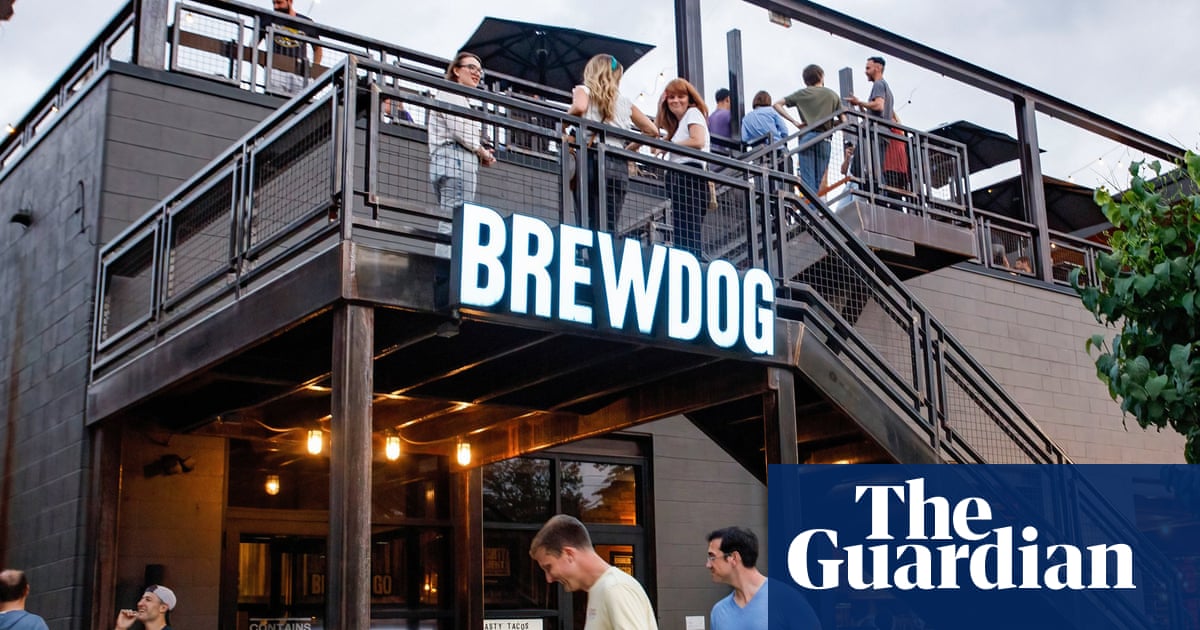
BrewDog’s ambition extended far beyond simply brewing beer. The capital raised through "Equity for Punks" fuelled a comprehensive expansion strategy. Starting with its first bar in Aberdeen in 2009, the company rapidly grew its retail footprint, creating physical spaces where its punk ethos could be experienced firsthand. By the end of 2018, BrewDog and its franchisees operated 78 bars worldwide, a testament to the power of community-backed growth. Today, BrewDog beers are available in 57 countries, solidifying its claim as the "#1 Craft Brewer in Europe" and the seventh-largest beer brand in Britain by production volume, exceeding 100 million litres annually.
Beyond geographical expansion, BrewDog also invested in innovation and environmental responsibility. Its Ellon brewery, a 5½-acre site opened in 2013, was designed with sustainability in mind, incorporating treatment plants, biogas technology, and, since 2021, an anaerobic digestion plant to minimise carbon emissions. While the effectiveness and overall impact of these measures have been a topic of industry discussion, they highlight BrewDog's commitment to pushing boundaries not just in brewing but also in operational ethics. The company even ventured into hospitality, opening the world's first craft beer hotel in 2018, further diversifying its offerings.
The BrewDog Paradox: Success, Scrutiny, and Shifting Tides
While BrewDog's commercial milestones are undeniable—with revenues exceeding £350 million in recent years—its journey hasn't been without significant challenges and public scrutiny. The very punk rock, anti-establishment attitude that fuelled its rise also became a source of controversy. In 2021, an open letter from over 60 former employees alleged a "culture of fear," bullying, and overwork within the company. While BrewDog rebutted these claims as unrepresentative and commissioned an independent review that identified procedural lapses but rejected claims of systemic toxicity, the incident highlighted the intense pressure and cultural complexities that can arise within rapidly growing, unconventional companies.
More recently, BrewDog has faced ongoing operational challenges. The company reported £59 million in losses for the year ended January 2024, primarily driven by underperforming bars and significant write-downs. This period of turbulence saw co-founder James Watt transition from his CEO role in 2024, marking a significant leadership change for the company he helped build from the ground up. This transition signals a new chapter for BrewDog, one that will undoubtedly test its resilience and adaptability in a constantly evolving market. The journey from punk success to navigating these complex waters is further explored in BrewDog's Shifting Tides: From Punk Success to CEO Transition.
What Other Brands Can Learn from BrewDog:
- Innovation Beyond Product: BrewDog didn't just innovate with beer recipes; it innovated its business model, marketing, and relationship with customers.
- The Power of Community: Nurturing a loyal community can provide invaluable support, both financially and through advocacy.
- Authenticity is Key (But Challenging): While an authentic, rebellious brand identity can be a powerful differentiator, maintaining that authenticity and evolving company culture amidst rapid growth is a constant balancing act.
- Transparency Builds Trust (But Also Invites Scrutiny): Openly engaging with investors and the public can foster trust, but it also means being more exposed to criticism and needing to respond effectively.
Conclusion
BrewDog's "Equity for Punks" stands as a landmark achievement in modern business, proving that a direct-to-consumer crowdfunding model can not only fund aggressive growth but also cultivate an unparalleled level of brand loyalty and engagement. From a small Scottish brewery to a multinational craft beer powerhouse, BrewDog redefined what it means to be a "punk" in the business world—challenging norms, embracing controversy, and forging a unique path. While its journey has been a testament to both audacious success and the inherent complexities of rapid expansion, BrewDog's legacy as a pioneer in crowdfunding and a disruptor in the craft beer industry is undeniable. Its story continues to offer valuable lessons on innovation, community building, and the delicate balance required to maintain a rebellious spirit while navigating the demands of a global enterprise.